This is the official blog we develop in Mater Immaculata school.
On this blog, you will find interesting resources and some of the activities we do with children in the classroom.
Last year we did also studied animals and, if you remember, we teachers made a Prezi and a conceptual map to help you studying. Today we upload this material here, on the blog, so that you can use it and access to it whenever you want.
Jack Johnson is a famous artists who writes songs to teach kids how to protect our planet. Check out the 3Rs song to learn more about Reduce, Reuse and Recycle.
Change of State
Here you have an educational website to learn more aboutChange of States
In English, the students are learning about the equipment used for various water sports.
In Social Science, they are studying the geography of Spain. To help them learn the names of the autonomous communities and their capital cities, each class cut out and glued together a color-coded map. Here are some photos:
3A
3B
In Natural Science, the children have been learning about plants. They also grew their own plants in the classroom. Here are some pictures:
Did you know that we cannot live without plants? Plants are crucial for humans. Thanks to them we can breath and live on this beautiful planet because they produce oxygen and help forming the ozone layer that protects us from dangerous sunrays. These are some of the reasons why we study plants in third grade.
However, this unit is complicated due to the range of new and diverse vocabulary and concepts we should embrace. In order to make the learning easier, teachers invite you to watch the following videos:
PHOTOSYNTHESIS
Do you know how plants and trees make food for themselves? Have you ever heard the word ``photosynthesis´´? Join Dr. Binocs and Mr. Tree as they tell you more about photosynthesis.
POLLINATION
Do you wonder how reproduction occurs in plants? Join Dr. Binocs to learn different parts of a flower and the process of pollination while he explains the structre of flower and function of each part in detail with the process of pollination.
In English, the student have just begun a unit on the four seasons and different activities they can do during them. Here´s a link to understand what happens during each season: http://www.theschoolrun.com/what-are-seasons
In Natural Science, they have been learning about the human skeleton.
In English class the children have been learning about farm animals and actions that they can do. Here´s a photo of the students playing animal charades:
1B
In Natural Science they are learning about healthy food and healthy habits. Last week they made posters about healthy and unhealthy foods. Here are some pictures:
1A
1C
In Social Science, they are learning about where they live and different parts of the city. This week they are doing presentations about Madrid and what they see on their way to school.
And here are some photos from other classes that we hope you enjoy:
Here´s a photo from our last unit in Natural Science. The students conducted an experiment on soil erosion.
In English class, the students are developing their skills by comparing different types of literature and media articles. Here´s a online student run newspaper: TIME FOR KIDS
In Natural Science, they´re learning about the animal kingdom. Here´s a short video to help them study:
We are studying a difficult topic in 3rd grade: animals classification. There are so many ways to classify animals (reproduction, respiration, nutrition...) that sometimes we can go crazy with words, names or expressions.
Here it is a prezi that teachers have prepared to make the study easier. I hope you can also find it useful!
viernes, 21 de octubre de 2016
This Week in Second Grade...
In Natural Science we´ve been learning about arthropods and molluscs. Here´s a cute video featuring some of our favourites. Which one is your favourite?
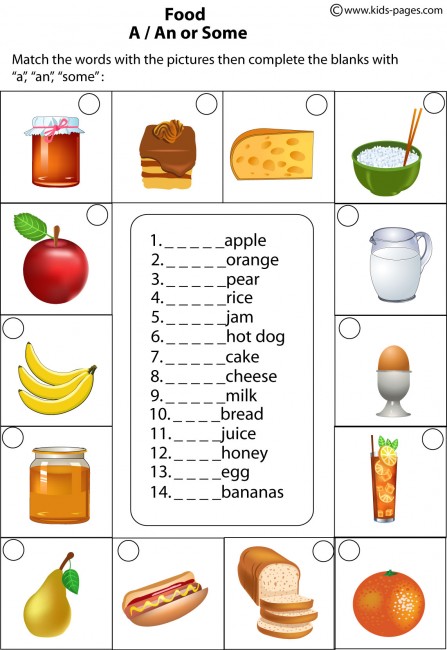
In English we´re learning about different types of food. Here´s a worksheet for practicing "a" and "an." Can you find your favourite foods here?
In Music we are learning how to read notes and how to take care of our voices by using breathing and vocal exercises. You can practice at home with this video.
Here are some fun songs that can be used to review different body parts at home. Shake your bones to the Skeleton Dance! Parents, you can also play Simon Says to reinforce the vocabulary learned at school.
We´re also learning about classroom objects and classroom rules. Here's a cute video of the Minions and some of their classroom rules - are they similar to yours?
Our students have an extensive knowledge of the characteristics of both living and nonliving things. In this first unit of natural science, our 5th grde students are further exploring the internal structure of what makes up a living organisim as well as how to classify living organisims.
The following links provide students extra reinforcment of content taught in the classroom. It is important that students access this extra material at home to access both the visual and audio content in an engaging manner.
Welcome back 3rd graders and families! We are all excited about another exciting bilingual school year. Our students have all shown great improvments in their ability to communicate in English over the past two years and we hope to see even greater improvements this year.
In our first unit of natural science, we have already started to engage our students in complex content related to the human body.
As in the past years, it is important that our students continue to access content at home to reinforce content taught in the classroom.
The following links provide the students engaging practice related to the parts of the human body:
En una unidad tan complicada llamada ``matter and materials´´, los alumnos de tercero se divierten aprendiendo. ¿Cómo lo hacen? Jugando a ser unos ``MATER CHEFS´´.
Los profesores solo les hemos proporcionado los materiales correspondientes, unas cuantas indicaciones y... ¡Voilà! Una rica macedonia de frutas. Así da gusto aprender.
¡Bien hecho chic@s! :)
P.D: Gracias también a nuestros queridos auxiliares de conversación Misha y Mike por su gran ayuda. Thanks a lot!
You know what? Nature has always been so gentle with humans... Nature offers us a wide range of resources we can employ then to make new materials.
It is our responsability to use those resources with intelligence and never make a bad use of them. Glass and paper are examples of the generosity of Mother Nature
Have you ever wondered how to make glass from sand?
Have you ever wondered how to make paper from trees?
Now that Easter is coming, we recommend you to rest and enjoy your holiday! However and pretending not to forget what we have already learned about invertebrates, we also suggest you to learn and sing the ``ICKY INSECTS SONG´´!
There you have the lyrics and you can use them to impress your family. Insects are cool!
ICKY INSECTS SONG
An insects body is made up of three parts
The head, the thorax and the abdomen
An exoskeleton that's nice and hard
Protects the insect because it wont break or bend
Icky, icky insects have six legs
Icky, icky insects hatch from eggs
Icky, icky insects all around
In the air, and sea and on the ground
Icky, icky insects have a shell that covers up their head
It helps protect them, keeps them safe and strong
One pair of purple shoes for each pair of legs
Six in all, it helps them move along
Icky, icky insects have six legs
Icky, icky insects hatch from eggs
Icky, icky insects all around
In the air, and sea and on the ground
Insects are called arthropods
With distinctly divided body parts
An exoskeleton that's nice and hard
Because insects play an important part of our world
Icky, icky insects have six legs
Icky, icky insects hatch from eggs
Icky, icky insects all around
In the air, and sea and on the ground
a veces, para entender mejor un concepto, es necesario comparar y contrastar ideas. Para ello la estrategia de usar un diagrama de Venn es la mejor opción.
Esto es lo que hacemos en el Mater cada vez que dos conceptos tienen mucho parecido entre sí. En los cursos de tercero hemos hecho un compara y contrasta para distinguir mejor lo que son REPTILES y lo que son ANFIBIOS. Y todo eso en inglés, claro ;)
¡Enhorabuena chic@s!
IF YOU NEED MORE INFORMATION ABOUT A VENN DIAGRAM, WATCH THE FOLLOWING YOUTUBE VIDEO: